







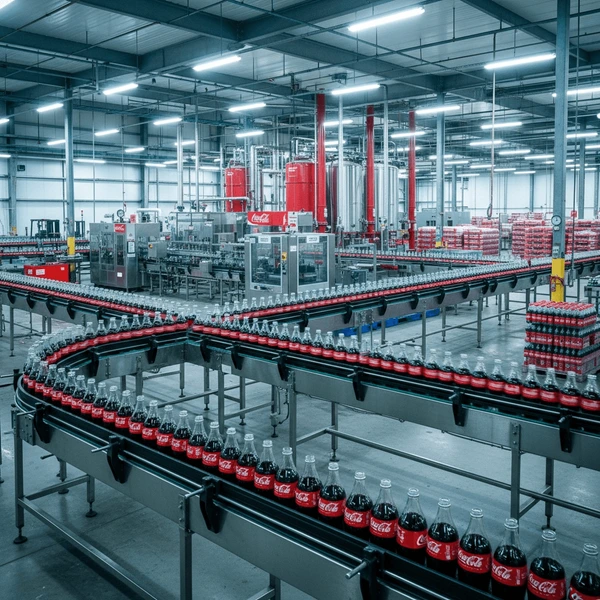
A well-designed beverage plant is not just about aesthetics—it directly impacts efficiency, product quality, safety, and long-term profitability. Here’s why it matters:
1. Operational Efficiency
A smart plant layout ensures smooth flow of raw materials, processing, filling, and packaging. This minimizes bottlenecks, reduces downtime, and increases overall production capacity.
2. Consistent Product Quality
Properly designed systems for mixing, filtration, carbonation, and filling help maintain uniform taste, texture, and hygiene standards across every batch.
3. Hygiene and Food Safety
Beverage plants must meet strict food safety standards. A well-planned design includes proper zoning, clean-in-place (CIP) systems, and contamination control, reducing risks and ensuring compliance.
4. Cost Optimization
Efficient use of space, energy, and water lowers operational costs. Good design also reduces waste, improves resource utilization, and minimizes maintenance expenses.
5. Scalability and Flexibility
A well-designed plant allows for future expansion and easy integration of new product lines, packaging formats, or technologies without major disruptions.
6. Worker Safety and Productivity
Ergonomic layouts, clear pathways, and safe equipment placement reduce accidents and improve employee efficiency and morale.
7. Faster Turnaround and Delivery
Streamlined processes enable quicker production cycles, helping meet market demand and reduce lead times.
8. Compliance with Regulations
A properly designed facility ensures adherence to local and international standards such as food safety, environmental norms, and quality certifications.